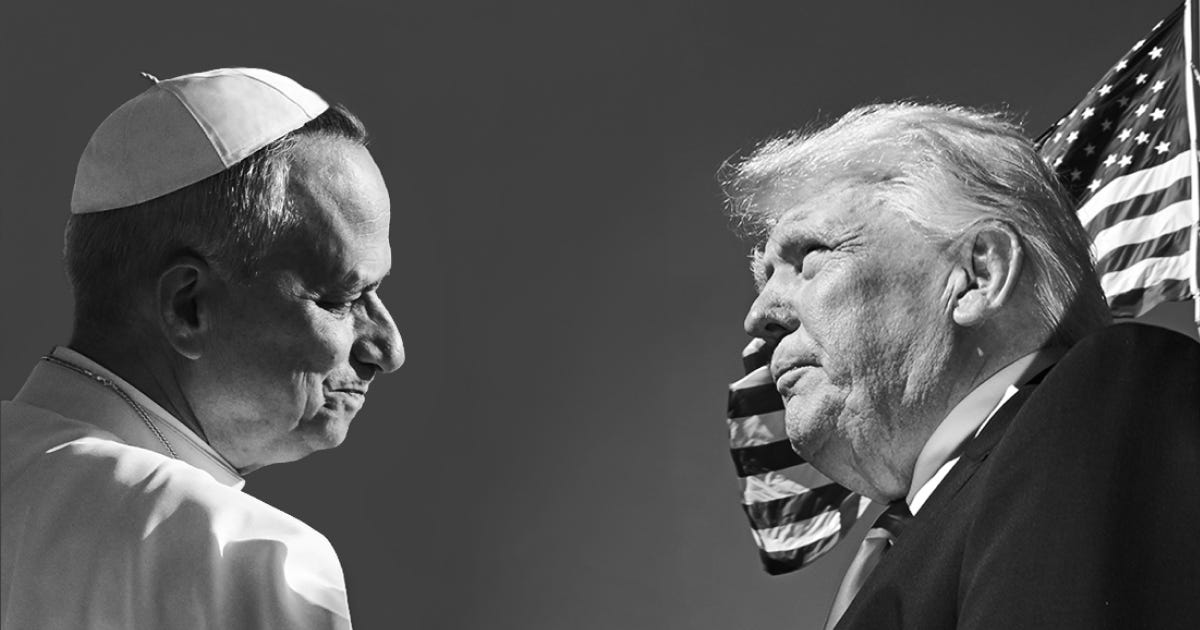
In AD 494, Pope Gelasius I wrote a letter to the Byzantine Emperor Anastasius I that would shape Christian political thought for over a millennium.
The occasion was the Acacian Schism, a dispute in which the emperor had backed a theological compromise with the Monophysite heretics and expected the Church to fall into line and comply.
Pope Gelasius refused.
In his letter, known by its opening words Duo Sunt, he articulated the foundational Catholic doctrine on the relationship between spiritual and temporal authority...
» Read my latest article in The Catholic Herald